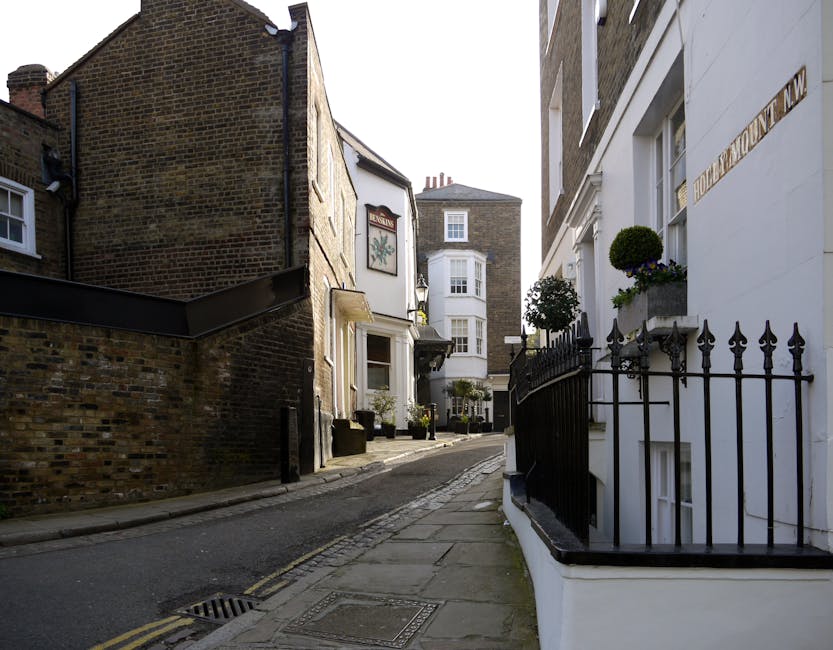
Chestnut Grove Balham Narrow Access Removals Solutions: A Practical Guide for Safer, Smoother Moves
If you are planning a move around Chestnut Grove in Balham, narrow access can turn a simple removal into a bit of a puzzle. Tight front paths, awkward stairwells, parked cars, shared entrances, low railings, and limited turning space all change the job. The right Chestnut Grove Balham narrow access removals solutions are not about brute force; they are about planning, timing, the right vehicle, and a team that knows how to move carefully without wasting your day.
This guide breaks down what narrow access really means, why it matters, how a move is usually handled, and what you can do to make the process calmer. Whether you are moving a flat, a family home, or a few heavy items, the difference between a stressful day and a smooth one usually comes down to preparation. And yes, a tape measure helps more than most people expect.
Why Chestnut Grove Balham narrow access removals solutions Matters
Narrow access affects almost every part of a removal. If the van cannot park close enough, every box takes longer. If the staircase bends sharply, furniture may need to be rotated, padded, or split down. If the entrance is shared, you also have to think about neighbours, door security, and how to keep the route clear.
Chestnut Grove and nearby Balham streets can be a classic London mix: practical, lively, and not always designed for moving day comfort. That is not a complaint, just reality. Older properties, converted flats, and compact frontages often mean you need a more thoughtful approach than a standard house move would require.
Good narrow access planning matters because it reduces:
- damage to walls, doors, banisters, and furniture
- time spent carrying items by hand
- risk of lifting injuries and trips
- traffic disruption and awkward roadside loading
- stress on moving day, which always seems to peak around lunchtime
For many people, the real challenge is not the quantity of belongings. It is the shape of the building. A two-bedroom flat with a narrow staircase can be harder than a larger house with a decent driveway. Truth be told, that catches people out all the time.
For broader move planning, it can also help to look at removal services and the more specific support options available for different property types, such as flat removals and home moves.
How Chestnut Grove Balham narrow access removals solutions Works
The best narrow access move starts before the van arrives. A proper plan usually begins with a quick access assessment. That may be done from photos, a call, a video walkthrough, or an in-person look at the entrance, hallway, and street layout. The aim is simple: understand what can be carried safely, what may need dismantling, and what vehicle size will work without making the route worse.
In practice, the process often looks like this:
- Review the property access. Stair width, turns, door clearance, lift size, parking position, and any shared corridors are checked.
- Match the vehicle to the street. A smaller removal van or flexible man and van setup is often better than forcing a larger truck into a tight location.
- Plan the carrying route. The safest path from property to vehicle is identified, including where to pause, turn, and protect corners.
- Prepare items for narrow spaces. Beds, tables, wardrobes, and large appliances may be dismantled, wrapped, or carried with specialist handling.
- Load in a logical sequence. Heavier and more awkward items are placed so they can be unloaded without chaos. Nobody enjoys opening a van and finding the sofa wedged like a cork.
- Keep communication open. If parking changes, if a neighbour blocks access, or if a lift breaks down, the team adapts quickly.
That flexible thinking is what separates a competent move from a frustrating one. Narrow access jobs rarely go exactly to plan. The winning approach is to plan for the unplanned. Slightly annoying, but true.
When items need extra wrapping, assembly, or room-by-room organisation, services such as packing and boxes or packing and unpacking services can make the entire day much easier.
Key Benefits and Practical Advantages
Using a narrow access solution is not just about avoiding problems; it can genuinely improve the whole move. A well-managed approach gives you more control and fewer surprises.
Here are the main benefits:
- Less handling risk. With the right tools and route planning, heavy items are carried fewer times.
- Better protection for the property. Door frames, stair edges, flooring, and communal areas are less likely to suffer scuffs.
- Faster unloading and loading. A clear plan saves time, even if the access looks awkward at first glance.
- More suitable vehicle choice. Not every move needs a large lorry. In many Balham streets, smaller is smarter.
- Lower stress for everyone. There is a big psychological difference between "we have a plan" and "let's just see what happens."
Another underrated benefit is neighbour friendliness. If loading is kept efficient and the route is managed well, there is less disruption at the front of the property. That matters on residential streets where space is already tight and everyone seems to be doing something with a bin, a parcel, or a car at the same time.
For some customers, narrow access moves are also a good point to review whether long-term storage is needed for a few items. A temporary stopover through storage can take pressure off if you are waiting for keys, managing renovations, or simply not ready to unpack everything on day one.
Who This Is For and When It Makes Sense
Chestnut Grove Balham narrow access removals solutions are useful for more people than you might think. They are not only for tiny flats or houses with no parking. They also make sense where access is technically possible, but only just.
This is especially relevant if you are:
- moving from a top-floor or basement flat
- dealing with a staircase that turns sharply or narrows halfway
- living on a street with limited stopping space
- moving a heavy item like a piano, wardrobe, or large sofa
- sharing a block entrance with other residents
- working to a tight handover time between tenancies
- moving a small office or workspace in a compact building
It also makes sense for students and first-time renters who may not own much but still have awkward, bulky, or fragile items. A couple of mattresses, boxes, a desk, and a lamp can become surprisingly fiddly in a narrow hallway. Small job, big hassle. We have all seen it.
If you are moving a business or equipment from a compact premises, you may also want to consider commercial moves or office removals where access management is usually just as important as timing.
Step-by-Step Guidance
Here is a sensible way to handle a narrow access move in Balham without making the day harder than it needs to be.
- Measure the awkward bits. Check door widths, stair turns, head height, and lift dimensions if there is one. A quick measurement can prevent a lot of guesswork.
- List the bulky items first. Sofas, beds, bookcases, wardrobes, appliances, and pianos should be reviewed before everything else.
- Decide what should be dismantled. Flat-pack furniture is one thing. A heavy wardrobe with a fixed back panel is another.
- Clear the route inside the property. Move shoes, bins, prams, plant pots, and anything else that might trip a carrier at the exact wrong moment.
- Protect surfaces. Use covers or padding on corners, bannisters, and floors where needed.
- Arrange parking as early as possible. If the van needs to sit close to the entrance, work out the space before the crew starts carrying.
- Prepare essentials separately. Keep documents, chargers, medication, keys, and valuables with you, not in the back of the van.
- Load with the unload in mind. The van should be packed so that the first items needed at the new place are accessible.
- Do a final walk-through. Check cupboards, loft spaces, under beds, and behind doors. The number of forgotten items can be funny in a not-so-funny way.
For larger or more complex moves, a professional team may also recommend a removals package rather than a very basic one-off lift-and-load arrangement. The point is not to overbuy; it is to match the service to the actual access conditions.
Expert Tips for Better Results
In our experience, narrow access jobs go better when people focus on a few simple habits rather than trying to control every detail. You do not need a perfect moving day. You need a practical one.
- Send photos early. A picture of the entrance, staircase, and parking spot often tells more than a ten-minute explanation.
- Keep one route clear. It sounds obvious, but an uncluttered path makes a huge difference when larger items are being carried.
- Think about the weather. Rain on a narrow front path is more than an inconvenience; it can make surfaces slippery and slow everything down.
- Use smaller, stronger boxes. Overfilled boxes are a bad idea anywhere, but especially where stairs are tight and turning space is limited.
- Label by room and priority. A simple "kitchen first" or "sleeping essentials" label saves time at the other end.
- Ask about special handling early. Pianos, artwork, mirrors, and glass furniture need extra care. Don't leave that conversation till the day before.
If you are unsure about the safest handling method for fragile or large items, it may be worth looking at specialist support such as furniture removals or, for high-value instruments, piano removals.
A small but useful tip: keep tea, coffee, and snacks out of the moving path. It sounds trivial until someone is trying to turn a mattress in a narrow hallway and there is a mug exactly where it should not be. Happens more than you'd think.
Common Mistakes to Avoid
A lot of moving-day problems are completely avoidable. The trouble is, they only look minor until the van arrives. Then they are not minor at all.
- Assuming a standard van will fit. Streets near Chestnut Grove may need a more compact vehicle or a staged loading plan.
- Not checking internal access. The front door might be fine, but the hallway turn may be the real problem.
- Leaving dismantling too late. Flat-pack items can become awkward when nobody has time to find the right screws.
- Underestimating carry distance. If parking is a little way off, the move takes longer and the crew gets tired faster.
- Packing heavy boxes with loose items. That is how boxes collapse halfway down a stairwell. Not ideal.
- Forgetting to warn neighbours or building management where needed. A simple heads-up can avoid friction around shared access.
Another mistake is choosing a service only on price. Cheap can be expensive once delays, damage, or extra handling are added. It is fair to compare quotes carefully, but the cheapest option is not always the best fit for a narrow access property. Sometimes you need the man with van style flexibility; sometimes a more structured service is the smarter call.
Tools, Resources and Recommendations
You do not need a truck full of specialist equipment for every move, but a few basic tools make narrow access jobs much easier.
| Tool or resource | Why it helps | Best use case |
|---|---|---|
| Measuring tape | Confirms whether furniture, doorways, and stair turns will work safely | Before booking or dismantling |
| Furniture blankets and wrap | Helps protect corners, finishes, and shared walls | Wardrobes, sofas, tables, fragile items |
| Straps and dollies | Improves control for heavy items and reduces manual strain | Large appliances, boxed loads, bulky furniture |
| Box labels | Speeds up unloading and room placement | Any move, especially if access is tight |
| Photo checklist | Shows access issues clearly before move day | Quotes, planning, and route decisions |
Service options may also matter. Some people only need a vehicle and a pair of hands, which is where man with a van or removal van support can be ideal. Others need full-house handling, loading discipline, and more structured coordination, especially for flats and long staircases.
If your move includes short-term gaps between properties, it can be sensible to combine removal support with storage. That keeps the day less frantic. Not glamorous, but useful.
Law, Compliance, Standards, or Best Practice
For a narrow access move, the main compliance concerns are usually practical rather than dramatic. The important things are safe lifting, sensible driving, careful loading, and respect for shared spaces.
In the UK, moving teams should work with basic health and safety principles in mind, including:
- avoiding unsafe manual handling where an item is too awkward or heavy
- using suitable equipment for lifting and carrying
- keeping access routes free from obvious trip hazards
- protecting the property and common areas from avoidable damage
- checking that parking and stopping arrangements do not create unnecessary obstruction
Where a move involves apartments or managed buildings, it is also common sense to follow building rules on loading bays, lifts, noise, and access times. That is not just politeness. It keeps the move moving, which is the whole point.
Trust and insurance matter too. Before booking, it is reasonable to ask how items are handled, what protection is used, and how claims or issues are managed. A clear insurance and safety approach helps build confidence, and transparent policies such as health and safety, terms and conditions, and pricing and quotes are always worth checking before you commit.
Options, Methods, or Comparison Table
Not every narrow access move needs the same setup. The best method depends on space, item size, time pressure, and how much handling is involved.
| Method | Best for | Strengths | Watch-outs |
|---|---|---|---|
| Man and van | Smaller moves, single flats, mixed loads | Flexible, cost-efficient, easier in tight streets | May need more planning for bulky furniture |
| Removal van | Typical home or flat removals with moderate access limits | Good balance of capacity and manoeuvrability | Parking and carrying distance still matter |
| Full removal service | Larger or more complex household moves | More help with packing, loading, and organisation | More planning needed, especially for building access |
| Specialist item move | Pianos, oversized furniture, fragile valuables | Focused handling and better protection | May need extra time and coordination |
For many Balham residents, the decision comes down to one question: do you need more capacity, or more finesse? Sometimes the answer is both, which is why professional judgement is useful. A good team does not just send a vehicle; it thinks about the access route, the timing, and the safest way to get the job done.
Case Study or Real-World Example
Here is a realistic example. A couple moving from a third-floor flat near Chestnut Grove had a sofa, a bed base, two wardrobes, several boxes, and a tall mirror. On paper, it looked like a straightforward half-day job. In reality, the stairwell turned sharply near the landing, and the road outside had limited stopping room.
The solution was simple, but not rushed: the team used a smaller vehicle, dismantled the wardrobes, wrapped the mirror separately, and staged boxes by room before loading. The sofa needed a careful twist on the stair turn, with one person guiding and another spotting corners. No drama, no shouting, just a bit of patience.
The move finished more smoothly than it would have done with a larger vehicle and no access plan. The couple were tired, obviously. Moving is moving. But they were not frazzled, and the property stayed clean and intact. That is usually the real win.
A second example: a small home office move with limited hallway space and a heavy desk. The desk could not safely stay assembled, so it was broken down before the van arrived. That one decision saved time and avoided a scratched wall. Tiny choice, big impact.
Practical Checklist
Use this before moving day. It is simple, but it catches most of the avoidable issues.
- Measure all key doorways, stair turns, and the largest furniture items
- Confirm whether any furniture needs dismantling
- Take photos of the entrance, stairwell, and street parking situation
- Check whether the vehicle can stop close enough to the property
- Protect floors, corners, and bannisters where needed
- Pack heavy items into smaller, stronger boxes
- Label boxes clearly by room and priority
- Keep essential items with you
- Tell neighbours or building management if shared access may be affected
- Review safety, insurance, and pricing details before confirming
- Have a backup plan if access changes on the day
If you are still shaping the move, it can be useful to speak with a team that understands both local streets and the realities of compact access. A quick discussion often reveals whether you need a small-van approach, more loading help, or a fuller service package.
Get a free quote today and see how much you can save.
Conclusion
Chestnut Grove Balham narrow access removals solutions are all about reducing friction. That means measuring properly, choosing the right vehicle, packing sensibly, and carrying with care. It also means accepting that a tight stairwell or narrow frontage is not a disaster; it is just something that needs a smarter plan.
When the details are handled well, even a difficult access move can feel organised and manageable. You do not need perfection. You need preparation, the right support, and a team that respects the building as much as the belongings.
If you are moving soon, take a breath, gather the measurements, and make the first decision the simple one: plan for the access, not against it. That little shift changes everything.
Frequently Asked Questions
What are Chestnut Grove Balham narrow access removals solutions?
They are moving methods designed for properties where access is restricted by narrow entrances, staircases, tight hallways, limited parking, or awkward loading space. The focus is on planning, the right vehicle, and careful handling.
Do narrow access moves always need a smaller van?
Not always, but a smaller or more manoeuvrable vehicle is often better in tight Balham streets. The right choice depends on parking space, load size, and how far items must be carried.
How can I tell if my furniture will fit through the stairs?
Measure the furniture at its widest points and compare that with the narrowest part of the staircase, landing, or doorway. If it is close, dismantling may be the safer option.
Should I dismantle furniture before the movers arrive?
Yes, if you know certain items are awkward, bulky, or likely to snag on the way out. Beds, wardrobes, and large desks are common candidates for dismantling.
What if parking is difficult on the day?
That is common in residential parts of Balham. A good plan includes a backup parking option, a clear loading route, and realistic timing so the move does not stall.
Are narrow access removals more expensive?
They can be, depending on how much extra time, labour, or special handling is needed. But that is not guaranteed. Sometimes a smart small-van move is actually more efficient than a bigger setup.
Can I use storage if my new place is not ready?
Yes. Storage can be a sensible bridge if move-in dates do not line up or if you want to reduce pressure on the day. It is especially useful when narrow access means the move needs to be staged.
Is a man and van service enough for a narrow access move?
Often, yes, especially for smaller moves or compact flats. For larger homes, bulky furniture, or more complex handling, a fuller removal service may be the better fit.
What should I photograph before asking for a quote?
Take clear pictures of the front entrance, the stairwell, the hallway, the parking area, and any bulky items. Photos help the team judge access more accurately and reduce surprises later.
How far in advance should I book a narrow access removal?
As early as possible, especially if you are moving at a busy time of year or if parking and access are likely to be difficult. Earlier booking gives more room for planning and a better chance of choosing the right setup.
What is the biggest mistake people make with narrow access moves?
The biggest mistake is underestimating the access itself. People often focus on how much they own and forget to think about how it will physically get out of the building. That one oversight causes most delays.
Do you need to warn neighbours about a move?
It is usually a good idea, especially in shared buildings or on busy residential streets. A short heads-up can prevent awkward moments, blocked hallways, or complaints about noise and access.